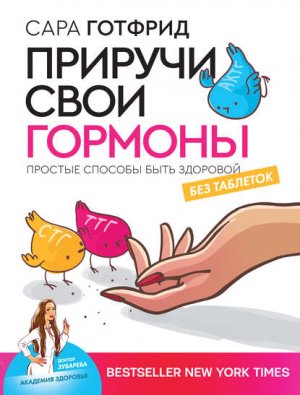
Приручи свои гормоны: простые способы быть здоровой Готфрид Сара
31. Vgontzas AN, Bixler EO, Lin HM, et al. “Chronic insomnia is associated with nyctohemeral activation of the hypothalamicpituitary-adrenal axis: clinical implications.” Journal of Clinical and Endocrinological Metabolism 86 (8) (2001): 3787–94; Rodenbeck A, Huether G, Rther E, Hajak G. “Interactions between evening and nocturnal cortisol secretion and sleep parameters in patients with severe chronic primary insomnia.” Neuroscience Letters 324 (2) (2002): 159–63.
32. Greendale GA, Unger JB, Rowe JW, Seeman TE. “The relation between cortisol excretion and fractures in healthy older people: results from the MacArthur studies-Mac.” Journal of the American Geriatrics Society 47 (7) (1999): 799–803; Morelli V, Eller-Vainicher C, Salcuni AS, et al. “Risk of new vertebral fractures in patients with adrenal incidentaloma with and without subclinical hypercortisolism: a multicenter longitudinal study.” Journal of Bone and Mineral Research 26 (8) (2011): 1816–21. doi: 10.1002/jbmr.398.
33. Bjrnsdottir S, Sf M, Bensing S, et al. “Risk of hip fracture in Addison’s disease: a population-based cohort study.” Journal of Internal Medicine 270 (2) (2011): 187–95. doi: 10.1111/j.1365–2796.2011.02352.x.
34. Juster RP, Sindi S, Marin MF, et al. “A clinical allostatic load index is associated with burnout symptoms and hypocortisolemic profiles in healthy workers.” Psychoneuroendocrinology 36 (6) (2011): 797–805.
35. Izawa S, Saito K, Shirotsuki K, et al. “Effects of prolonged stress on salivary cortisol and dehydroepiandrosterone: a study of a two-week teaching practice.” Psychoneuroendocrinology 37 (6) (2012): 852–58.
36. Fournier JC, DeRubeis RJ, Hollon SD, et al. “Antidepressant drug effects and depression severity: a patient-level meta-analysis.” Journal of the American Medical Association 303 (1) (2010): 47–53.
37. Meloun M, Hill M, Vcelkov-Havlkov H. “Minimizing the effects of multicollinearity in the polynomial regression of age relationships and sex differences in serum levels of pregnenolone sulfate in healthy subjects.” Clinical Chemistry and Laboratory Medicine 47 (4) (2009): 464–70. 1P_Gottfried_HormoneCure_REP_LR.indd 389 3/31/15 3:29 PM.
38. Martin FP, Rezzi S, Per-Trepat E, et al. “Metabolic effects of dark chocolate consumption on energy, gut microbiota, and stress-related metabolism in free-living subjects.” Journal of Proteome Research 8 (12) (2009): 5568–79.
39. Vlimki MJ, Hrknen M, Eriksson CJ, Ylikahri RH. “Sex hormones and adrenocortical steroids in men acutely intoxicated with ethanol.” Alcohol 1 (1) (1984): 89–93.
40. Kiefer F, Jahn H, Otte C, Naber D, Wiedemann K. “Hypothalamicpituitary – adrenocortical axis activity: a target of pharmacological anticraving treatment?” Biology Psychiatry 60 (1) (2006): 74–76.
41. Freedman ND, Park Y, Abnet CC, et al. “Association of Coffee Drinking with Total and Cause-Specific Mortality.” New England Journal of Medicine 366 (2012): 1891–1904.
42. Rapaport MH, Schettler P, Bresee C. “A Preliminary Study of the Effects of a Single Session of Swedish Massage on Hypothalamic-Pituitary-Adrenal and Immune Function in Normal Individuals.” Journal of Alternative and Complementary Medicine 16 (10) (2010): 1079–88. doi: 10.1089/acm.2009.0634.
43. Khalsa DS, Amen D, Hanks C, et al. “Cerebral blood flow changes during chanting meditation.” Nuclear Medicine Communications 30 (12) (2009): 956–61; Kalyani BG, Venkatasubramanian G, Arasappa R, et al. “Neurohemodynamic correlates of ‘OM’ chanting: a pilot functional magnetic resonance imaging study.” International Journal of Yoga 4 (1) (2011): 3–6.
44. Painovich JM, Shufelt CL, Azziz R, et al. “A pilot randomized, single-blind, placebo-controlled trial of traditional acupuncture for vasomotor symptoms and mechanistic pathways of menopause.” Menopause 19 (1) (2011): 54–61.
45. Gerra G, Avanzini P, Zaimovic A, et al. “Neurotransmitter and endocrine modulation of aggressive behavior and its components in normal humans.” Behavioral Brain Research 81 (1–2) (1996): 19–24; Harris AH, Luskin F, Norman SB, et al. “Effects of a group forgiveness intervention on forgiveness, perceived stress, and trait-anger.” Journal of Clinical Psychology 62 (6) (2006): 715–33.
46. Tibbits D, Ellis G, Piramelli C, et al. “Hypertension reduction through forgiveness training.” Journal of Pastoral Care and Counseling 60 (1–2) (2006): 27–34.
47. Toussaint L. “Physiological correlates of forgiveness: findings from a radically and socio-economically diverse sample of community residents.” Abstract presented at Scientific Findings of Forgiveness Conference, 2003 (http://www.forgiving.org/conference_archive/conference_2.htm accessed 12/28/11).
48. Blank J. “Toys: Sex Toys” in Human Sexuality: An Encyclopedia, eds. VL 1P_Gottfried_HormoneCure_REP_LR.indd 390 3/31/15 3:29 PM Bullough and B Bullough. New York: Garland, 1994; Komisaruk BR, Beyer-Flores C, Whipple B. The Science of Orgasm. Baltimore: Johns Hopkins University Press, 2006.
49. Tull ES, Sheu YT, Butler C, Cornelious K. “Relationships between perceived stress, coping behavior and cortisol secretion in women with high and low levels of internalized racism.” Journal of the National Medical Association 97 (2) (2005): 206–12.
50. Onuki M, Suzawa A. “Effect of pantethine on the function of the adrenal cortex. 2. Clinical experience using pantethine in cases under steroid hormone treatment.” Horumon To Rinsho Clinical Endocrinology 18 (11) (1970): 937–40 [article in Japanese].
51. Gromova EG, Sviridova SP, Kushlinski NE, et al. “Regulation of the indices of neuroendocrine status in surgical patients with lung cancer using optimal doses of ascorbic acid.” Anesteziologiia Reanimatologiia 5 (1990): 71–74 [article in Russian]; Liakakos D, Doulas NL, Ikkos D, et al. “Inhibitory effect of ascorbic acid (vitamin C) on cortisol secretion following adrenal stimulation in children.” Clinica Chimica Acta: International Journal of Clinical Chemistry 65 (1975): 251–55.
52. Liakakos D, Doulas NL, Ikkos D, et al. “Inhibitory effect of ascorbic acid (vitamin C) on cortisol secretion following adrenal stimulation in children.” Clinica Chimica Acta: International Journal of Clinical Chemistry 65 (1975): 251–55.
53. Peters EM, Anderson R, Nieman DC, et al. “Vitamin C supplementation attenuates the increases in circulating cortisol, adrenaline and anti-inflammatory polypeptides following ultramarathon running.” International Journal of Sports Medicine 22 (7) (2001): 537–43.
54. Monteleone P, Beinat L, Tanzillo C, et al. “Effects of phosphatidylserine on the neuroendocrine response to physical stress in humans.” Neuroendocrinology 52 (3) (1990): 243–48; Monteleone P, Maj M, Beinat L, et al. “Blunting by chronic phosphatidylserine administration of the stress-induced activation of the hypothalamo-pituitary-adrenal axis in healthy men.” European Journal of Clinical Pharmacology 42 (1992): 385–88.
55. Benton D, Donohoe RT, Sillance B, Nabb S. “The influence of phosphatidylserine supplementation on mood and heart rate when faced with an acute stressor.” Nutritional Neuroscience 4 (3) (2001): 169–78.
56. Noreen EE, Sass MJ, Crowe ML, et al. “Effects of supplemental fish oil on resting metabolic rate, body composition, and salivary cortisol in healthy adults.” Journa of the International Society of Sports Nutrition 7 (31) (2010): 1–7.
57. Delarue J, Matzinger O, Binnert C, et al. “Fish oil prevents the adrenal 1P_Gottfried_HormoneCure_REP_LR.indd 391 3/31/15 3:29 PM activation elicited by mental stress in healthy men.” Diabetes and Metabolism 29 (3) (2003): 289–95.
58. Kimura K, Ozeki M, Juneja LR, Ohira H. “L-Theanine reduces psychological and physiological stress responses.” Biological Psychology 74 (1) (2007): 39–45.
59. Miodownik C, Maayan R, Ratner Y, et al. “Serum levels of brain-derived neurotrophic factor and cortisol to sulfate of dehydroepiandrosterone molar ratio associated with clinical response to L-theanine as augmentation of antipsychotic therapy in schizophrenia and schizoaffective disorder patients.” Clinical Neuropharmacology 34 (4) (2011): 155.
60. Smriga M, Ando T, Akutsu M, et al. “Oral treatment with L-lysine and L-arginine reduces anxiety and basal cortisol levels in healthy humans.” Biomedical Research 28 (2) (2007): 85–90.
61. Banderet LE, Lieberman HR. “Treatment with tyrosine, a neurotransmitter precursor, reduces environmental stress in humans.” Brain Research Bulletin 22 (4) (1989): 759–62.
62. Thomas JR, Lockwood PA, Singh A, Deuster PA. “Tyrosine improves working memory in a multitasking environment.” Pharmacology, Biochemistry and Behavior 64 (3) (1999): 495–500.
63. Hanson R, Mendius R. Buddha’s Brain: The Practical Neuroscience of Happiness, Love, and Wisdom. Oakland, CA: New Harbinger, 2009.
64. Martarelli D, Cocchioni M, Scuri S, Pompei P. “Diaphragmatic Breathing Reduces Exercise-induced Oxidative Stress.” Evidence-Based Complementary and Alternative Medicine 49 (1) (2009): 122–27.
65. Benson H. The Relaxation Response. New York: Harper Collins, 1975.
66. Pawlow LA, Jones GE. “The impact of abbreviated progressive muscle relaxation on salivary cortisol and salivary immunoglobulin A (SIgA).” Applied Psychophysiological and Biofeedback 30 (4) (2005): 375–87.
67. Gopal A, Mondal S, Gandhi A, et al. “Effect of integrated yoga practices on immune responses in examination stress – a preliminary study.” International Journal of Yoga 4 (1) (2011): 26–32.
68. Smith JA, Greer T, Sheets T, Watson S. “Is there more to yoga than exercise?” Alternative Therapies in Health and Medicine 17 (3) (2011): 22–29.
69. Banasik J, Williams H, Haberman M, et al. “Effect of Iyengar yoga practice on fatigue and diurnal salivary cortisol concentration in breast cancer survivors.” Journal of the American Academy of Nurse Practitioners 23 (3) (2011): 135–42. doi: 10.1111/j.1745–7599.2010.00573.x; Bijlani RL, Vempati RP, Yadav RK, et al. “A brief but comprehensive lifestyle education program based on yoga reduces risk factors for cardiovascular disease and diabetes mellitus.” Journal of Alternative and Complementary Medicine 11 (2) (2005): 267–74.
70. Nidich SI, Rainforth MV, Haaga DA, Hagelin J, et al. “A randomized controlled trial on effects of the Transcendental Meditation program on blood pressure, psychological distress, and coping in young adults.” American Journal of Hypertension 22 (12) (2009):1326–31; Schneider R, Nidich S, Kotchen JM, et al. “Abstract 1177: Effects of Stress Reduction on Clinical Events in African Americans with Coronary Heart Disease: A Randomized Controlled Trial.” American Heart Association, Inc. 120 (2009): S461; Campbell TS, Labelle LE, Bacon SL, et al. “Impact of mindfulness-based stress reduction (MBSR) on attention, rumination and resting blood pressure in women with cancer: a waitlist-controlled study.” Journal of Behavioral Medicine 35 (3) (2011): 262–71.
71. Kabat-Zinn J. Wherever You Go, There You Are: Mindfulness Meditation in Everyday Life. New York: Hyperion, 1999.
72. Hlzel BK, Carmody J, Evans KC, et al. “Stress reduction correlates with structural changes in the amygdala.” Social, Cognitive and Affective Neuroscience 5 (1) (2010): 11–17.
73. West J, Otte C, Geher K, et al. “Effects of Hatha yoga and African dance on perceived stress, affect, and salivary cortisol.” Annals of Behavioral Medicine 28 (2) (2004): 114–18; Matousek RH, Dobkin PL, Pruessner J. “Cortisol as a marker for improvement in mindfulnessbased stress reduction.” Complementary Therapies in Clinical Practice 16 (2010): 13–19; Smith JA, Greer T, Sheets T, Watson S. “Is there more to yoga than exercise?” Alternative Therapies in Health and Medicine 17 (3) (2011): 22–29; Winbush NY, Gross CR, Kreitzer MJ. “The effects of mindfulness-based stress reduction on sleep disturbance: a systematic review.” Explore (NY) 3 (6) (2007): 585–91; Bohlmeijer E, Prenger R, Taal E, Cuijpers P. “The effects of mindfulness-based stress reduction therapy on mental health of adults with a chronic medical disease: a meta-analysis.” Journal of Psychosomatic Research 68 (2010): 539–44.
74. Daubenmier J, Kristeller J, Hecht FM, et al. “Mindfulness Intervention for Stress Eating to Reduce Cortisol and Abdominal Fat among Overweight and Obese Women: An Exploratory Randomized Controlled Study.” Journal of Obesity (2011): 651936.
75. Upadhyay Dhungel K, Malhotra V, Sarkar D, Prajapati R. “Effect of alternate nostril breathing exercise on cardiorespiratory functions.” Nepal Medical College Journal 10 (1) (2008): 25–27; Telles S, Raghuraj P, Maharana S, Nagendra HR. “Immediate effect of three yoga breathing techniques on performance on a letter-cancellation task.” Perceptual and Motor Skills 104 (3 Pt 2) (2007): 1289–96.
76. Shannahoff-Khalsa DS. “Selective Unilateral Autonomic Activation: Implications for Psychiatry.” CNS Spectrums 12 (8) (2007): 625–34.
77. Caso Marasco A, Vargas Ruiz R, Salas Villagomez A, Begoa Infante C. “Double-blind study of a multivitamin complex supplemented with ginseng extract.” Drugs under Experimental and Clinical Research 2 (1996): 323–29.
78. Garay Lillo J, Caballero Garcia JC, Cabeza Mauricios G., et al. “Longterm multicenter study with Pharmaton Complex in adult patients.” Geriatrika 8 (6) (1992): 69–74; Scaglione F, Weiser K, Alessandria M. “Effects of the standardized ginseng extract G115® in patients with chronic bronchitis: a nonblinded, randomised, comparative pilot study.” Clinical Drug Investigation [New Zealand] 21 (2001): 41–45.
79. Reay JL, Scholey AB, Kennedy DO. “Panax ginseng (G115) improves aspects of working memory performance and subjective ratings of calmness in healthy young adults.” Human Psychopharmacology 25 (6) (2010): 462–71.
80. Ernst E. “The risk-benefit profile of commonly used herbal therapies: Ginkgo, St. John’s Wort, Ginseng, Echinacea, Saw Palmetto, and Kava.” Annals of Internal Medicine 136 (1) (2002): 42–53.
81. Tode T, Kikuchi Y, Hirata J, et al. “Effect of Korean red ginseng on psychological functions in patients with severe climacteric syndromes.” International Journal of Gynaecology and Obstetrics 67 (3) (1999): 169–74.
82. Cooley K, Szczurko O, Perri D, et al. “Naturopathic care for anxiety: a randomized controlled trial ISRCTN78958974.” PLoS One 4 (8) (2009): e6628.
83. Olsson EM, von Schele B, Panossian AG. “A randomised, doubleblind, placebo-controlled, parallel-group study of the standardized extract SHR-5 of the roots of Rhodiola rosea in the treatment of subjects with stress-related fatigue.” Planta Medica 75 (2) (2009): 105–12.
84. Zhang ZJ, Tong Y, Zou J, et al. “Dietary supplement with a combination of Rhodiola crenulata and Ginkgo biloba enhances the endurance performance in healthy volunteers.” Chines Journal of Integral Medicine 15 (3) (2009): 177–83.
85. Dwyer AV, Whitten DL, Hawrelak JA. “Herbal medicines, other than St. John’s Wort, in the treatment of depression: a systematic review.” Alternative Medicine Review 16 (16) (2011): 40–49.
86. Howland RH. “Use of endocrine hormones for treating depression.” Journal of Psychosocial Nursing and Mental Health Service 48 (12) (2010): 13–16.
87. Stangle B, Hirshman E, Verbalis J. “Administration of dehydroepiandrosterone (DHEA) enhances visual-spatial performance in postmenopausal women.” Behavioral Neuroscience 125 (5) (2011): 742–52.
88. Wolkowitz OM, Reus VI, Keebler A, et al. “Double-blind treatment of major depression with dehydroepiandrosterone.” American Journal of Psychiatry 156 (4) (1999): 646–49; Schmidt PJ, Daly RC, Bloch M, et al. “Dehydroepiandrosterone monotherapy in midlife-onset major and minor depression.” Archives of General Psychiatry 62 (2) (2005): 154–62.
89. West J, Otte C, Geher K, et al. “Effects of Hatha yoga and African dance on perceived stress, affect, and salivary cortisol.” Annals of Behavioral Medicine 28 (2) (2004): 114–18.
90. Shelygina NM, Spivak RIa, Zaretski MM, et al. “Influence of vitamins C, Bl, and B6 on the diurnal periodicity of the glucocorticoid function of the adrenal cortex in patients with atherosclerotic cardiosclerosis.” Voprosy Pitaniia 2 (1975): 25–29 [article in Russian].
91. Epstein MT, Espiner EA, Donald RA, et al. “Licorice raises urinary cortisol in man.” Journal of Clinical Endocrinology and Metabolism 47 (2) (1978): 397–400.
92. Rikknen K, Seckl JR, Heinonen K, et al. “Maternal prenatal licorice consumption alters hypothalamic-pituitary-adrenocortical axis function in children.” Psychoneuroendocrinology 35 (10) (2010): 1587–93.
93. Methlie P, Husebye EE, Hustad S, et al. “Grapefruit juice and licorice increase cortisol availability in patients with Addison’s disease.” European Journal of Endocrinology 165 (5) (2011): 761–69.
Глава 5: Блюз низкого-высокого прогестерона
1. Brizendine L. The Female Brain. New York: Broadway Books, 2006.
2. Nillni YI, Toufexis DJ, Rohan KJ. “Anxiety sensitivity, the menstrual cycle, and panic disorder: a putative neuroendocrine and psychological interaction.” Clinical Psychology & Review 31 (7) (2011): 1183–91.
3. Rapkin AJ, Akopians AL. “Pathophysiology of premenstrual syndrome and premenstrual dysphoric disorder.” Menopause International 18 (2) (2012): 52–59.
4. Personal communication with PMS expert Dr. Andrea Rapkin on June 5, 2012. Department of Obstetrics and Gynecology, David Geffen School of Medicine at UCLA.
5. Branch DW, Gibson M, Silver RM. “Clinical practice. Recurrent miscarriage.” New England Journal of Medicine 363 (18) (2010): 1740–47.
6. De Souza MJ. “Menstrual disturbances in athletes: a focus on luteal phase defects.” Medicine and Science in Sports and Exercise 35 (9) (2003): 1553–63.
7. Santoro N, Crawford SL, Lasley WL. “Factors related to declining luteal function in women during the menopausal transition.” Journal of Clinical Endocrinology and Metabolism 93 (5) (2008): 1711–21.
8. Cauley JA. “Elevated serum estradiol and testosterone concentrations are associated with a high risk for breast cancer. Study of Osteoporotic Fractures Research Group.” Annals of Internal Medicine 130 (4 Pt 1) (1999): 270–77; Farhat GN, Cummings SR, Chlebowski RT, et al. “Sex hormone levels and risks of estrogen receptor-negative and estrogen receptor-positive breast cancers.” Journal of the National Cancer Institute 103 (7) (2011): 562–70.
9. He C, Kraft P, Chen C. “Genome-wide association studies identify loci associated with age at menarche and age at natural menopause.” Nature Genetics 41 (6) (2009): 724–28.
10. Giudice LC. “Clinical practice: Endometriosis.” New England Journal of Medicine 362 (25) (2010): 2389–98.
11. Zhang YW, Ji H, Han ML, et al. “Luteal function in patients with endometriosis.” Proceedings of the Chinese Academy of Medical Sciences Peking Union Medical College 4 (2) (1989): 96–101.
12. Bulun SE, Cheng YH, Pavone ME, et al. “Estrogen receptor-beta, estrogen receptor-alpha, and progesterone resistance in endometriosis.” Seminars in Reproductive Medicine 28 (1) (2010): 36–43.
13. Bulun SE, Cheng YH, Yin P, et al. “Progesterone resistance in endometriosis: link to failure to metabolize estradiol.” Molecular and Cellular Endocrinology 248 (1–2) (2006): 94–103.
14. Gorchev G, Maleeva A. “Serum E2 and progesterone levels in patients with atypical hyperplasia and endometrial carcinoma.” Akusherstvo i Ginekologiia 32 (2) (1993): 23–24 [article in Bulgarian]; Modan B, Ron E, Lerner-Geva L, et al. “Cancer incidence in a cohort of infertile women.” American Journal of Epidemiology 147 (1998): 1038–42.
15. Freeman EW, Purdy RH, Coutifaris C, et al. “Anxiolytic metabolites of progesterone: correlation with mood and performance measures following oral progesterone administration to healthy female volunteers.” Neuroendocrinology 58 (4) (1993): 478–84.
16. Andren L, Sundstrm-Poromaa I, Bixo M, et al. “Allopregnanolone concentration and mood – a bimodal association in postmenopausal women treated with oral progesterone.” Psychopharmacology 187 (2) (2006): 209–21.
17. “IMS Health,” accessed March 24, 2012, http://www.imshealth.com and sleep data originally cited by http://well.blogs.nytimes.com/2012/03/12/new-worries-about-sleeping-pills/. IMS data are proprietary and not reported in a peer-reviewed journal.
18. Kripke DF, Langer RD, Kline LE. “Hypnotics’ association with mortality or cancer: a matched cohort study.” British Medical Journal Open 2 (1) (2012): e000850.
19. Caufriez A, Leproult R, L’Hermite-Balriaux M, et al. “Progesterone prevents sleep disturbances and modulates GH, TSH, and melatonin secretion in postmenopausal women.” Journal of Clinical Endocrinology and Metabolism 96 (4) (2011): E614–23.
20. Henmi H, Endo T, Kitajima Y, et al. “Effects of ascorbic acid supplementation on serum progesterone levels in patients with a luteal phase defect.” Fertility and Sterility 80 (2) (2003): 459–61.
21. Brown SL, Fredrickson BL, Wirth MM, et al. “Social Closeness Increases Salivary Progesterone in Humans.” Hormones and Behavior 56 (1) (2009): 108–11.
22. Rossignol AM. “Caffeine-containing beverages and premenstrual syndrome in young women.” American Journal of Public Health 75 (1985): 1335–37; Rossignol AM, Zhang J, Chen Y, Xiang Z. “Tea and premenstrual syndrome in the People’s Republic of China.” American Journal of Public Health 79 (1989): 66–67.
23. Gold EB, Bair Y, Block G, et al. “Diet and lifestyle factors associated with premenstrual symptoms in a racially diverse community sample: Study of Women’s Health Across the Nation (SWAN).” Journal of Women’s Health 16 (5) (2007): 641–56.
24. Li CI, Chlebowski RT, Freiberg M, et al. “Alcohol consumption and risk of postmenopausal breast cancer by subtype: the women’s health initiative observational study.” Journal of the National Cancer Institute 102 (18) (2010): 1422–31; Chen WY, Rosner B, Hankinson SE, et al. “Moderate alcohol consumption during adult life, drinking patterns, and breast cancer risk.” Journal of the American Medical Association 306 (17) (2011): 1884–90.
25. Bergmann MM, Schtze M, Steffen A, et al. “The association of lifetime alcohol use with measures of abdominal and generaladiposity in a large-scale European cohort.” European Journal of Clinical Nutrition 65 (10) (2011): 1079–87. doi: 10.1038/ejcn.2011.70.
26. Brown DJ. “Vitex-agnus-castus clinical monograph.” Quarterly Review of Natural Medicine (1994): 111–21.
27. Wuttke W, Jarry H, Christoffel V, et al. “Chasteberry tree (Vitex agnuscastus) – pharmacology and clinical indications.” Phytomedicine 10 (4) (2003): 348–57; Natural Medicines Comprehensive Database. Accessed 7/1/12. http://naturaldatabase.therapeuticresearch.com.
28. Blumenthal M, Gruenwald J, Hall T, Risters RS. “The Complete German E Commission monographs: therapeutic guide to herbal medicine.” Boston: Integrative Medicine Communications (1998), 108; Halaska M, Beles P, Gorkow C, Sieder C. “Treatment of cyclical mastalgia with a solution containing a Vitex agnus castus extract: results of a placebo-controlled double-blind study.” Breast 8 (4) (1999): 175–81.
29. Westphal LM, Polan ML, Trant, AS. “Double-blind, placebo-controlled study of Fertilityblend: a nutritional supplement for improving fertility in women.” Clinical and Experimental Obstetrics and Gynecology 33 (4) (2006): 205–8.
30. Turner S, Mills S. “A double-blind clinical trial on a herbal remedy for premenstrual syndrome: a case study.” Complementary Therapies in Medicine 1 (1993): 73–77; Lauritzen CH, Reuter HD, Repges RM, et al. “Treatment of premenstrual tension syndrome with Vitex agnus-castus. Controlled, double-blind study versus pyridoxine.” Phytomedicine 4 (1997): 183–89; Schellenberg R. “Treatment for the premenstrual syndrome with agnus castus fruit extract: prospective, randomized, placebo-controlled study.” British Medical Journal 322 (2001): 134–37; Westphal LM, Polan ML, Trant, AS. “Double-blind, placebo-controlled study of Fertilityblend: a nutritional supplement for improving fertility in women.” Clinical and Experimental Obstetrics and Gynecology 33 (4) (2006): 205–8; Zamani M, Neghab N, Torabian S. “Therapeutic effect of Vitex agnus castus in patients with premenstrual syndrome.” Acta Medica Iranica 50 (2) (2012): 101–6.
31. Westphal LM, Polan ML, Trant, AS. “Double-blind, placebo-controlled study of Fertilityblend: a nutritional supplement for improving fertility in women.” Clinical and Experimental Obstetrics and Gynecology 33 (4) (2006): 205–8; Loch EG, Selle H, Boblitz N. “Treatment of premenstrual syndrome with a phytopharmaceutical formulation containing Vitex agnus-castus.” Journal of Women’s Health & Gender – Based Medicine 9 (3) (2000): 315–20.
32. Skibola CF. “The effect of Fucus vesiculosus, an edible brown seaweed, upon menstrual cycle length and hormonal status in three pre-menopausal women: a case report.” BMC Complementary and Alternative Medicine 4 (2004): 10.
33. Nahid K, Fariborz M, Ataolah G, Solokian S. “The effect of an Iranian herbal drug on primary dysmenorrhea: a clinical controlled trial.” Journal of Midwifery & Women’s Health 54 (2009): 401–4; Agha-Hosseini M, Kashani L, Aleyaseen A, et al. “Crocus sativus L. (saffron) in the treatment of premenstrual syndrome: a double-blind, randomised and placebo-controlled trial.” BJOG: An International Journal of Obstetrics and Gynecology 115 (2008): 515–19.
34. Dwyer AV, Whitten DL, Hawrelak JA. “Herbal medicines, other than St. John’s Wort, in the treatment of depression: a systematic review.” Alternative Medicine Review 16 (1) (2011): 40–49.
35. Komesaroff PA, Black CV, Cable V, Sudhir K. “Effects of wild yam extract on menopausal symptoms, lipids and sex hormones in healthy menopausal women.” Climacteric 4 (2001): 144–50.
36. Leonetti HB, Longo S, Anasti JN. “Transdermal progesterone cream for vasomotor symptoms and postmenopausal bone loss.” Obstetrics and Gynecology 94 (1999): 225–28.
37. Wren BG, Champion SM, Willetts K, et al. “Transdermal progesterone and its effect on vasomotor symptoms, blood lipid levels, bone metabolic markers, moods, and quality of life for postmenopausal women.” Menopause 10 (1) (2003): 13–18.
38. Benster B, Carey A, Wadsworth F, et al. “A double-blind placebocontrolled study to evaluate the effect of Progestelle progesterone cream on postmenopausal women.” Menopause International 15 (2) (2009): 63–69.
39. PEPI Writing Group. “Effects of estrogen or estrogen/progestin regimens on heart disease risk factors in postmenopausal women. The Postmenopausal Estrogen/Progestin Interventions (PEPI) Trial. The Writing Group for the PEPI Trial.” Journal of the American Medical Association 273 (3) (1995): 199–208.
40. Fournier A, Berrino F, Clavel-Chapelon F. “Unequal risks for breast cancer associated with different hormone replacement therapies: results from the E3N cohort study.” Breast Cancer Research and Treatment 107 (1) (2008): 103–11. Erratum in Breast Cancer Research and Treatment 107 (2) (2008): 307–8.
41. Pullon SR, Reinken JA, Sparrow MJ. “Treatment of premenstrual symptoms in Wellington women.” New Zealand Medical Journal 102 (862) (1989): 72–74.
42. Thys-Jacobs S. “Micronutrients and the premenstrual syndrome: the case for calcium.” Journal of the American College of Nutrition 19 (2000): 220–27.
43. Walker AF, De Souza MC, Vickers MF, et al. “Magnesium supplementation alleviates premenstrual symptoms of fluid retention.” Journal of Women’s Health 7 (9) (1998): 1157–65; Wyatt KM, Dimmock PW, Jones PW, Shaughn O’Brien PM. “Efficacy of vitamin B6 in the treatment of premenstrual syndrome: systematic review.” British Medical Journal 318 (7195) (1999): 1375–81.
44. De Souza MC, Walker AF, Robinson PA, Bolland K. “A synergistic effect of a daily supplement for 1 month of 200 mg magnesium plus 50 mg vitamin B6 for the relief of anxiety-related premenstrual symptoms: a randomized, double-blind, crossover study.” Journal of Women’s Health and Gender-Based Medicine 9 (2) (2000): 131–39.
45. Chocano-Bedoya PO, Manson JE, Hankinson SE, et al. “Dietary B vitamin intake and incident premenstrual syndrome.” American Journal of Clinical Nutrition 93 (5) (2011): 1080–86; Bertone-Johnson ER, Chocano-Bedoya PO, Zagarins SE, et al. “Dietary vitamin D intake, 25-hydroxyvitamin D3 levels and premenstrual syndrome in a college-aged population.” Journal of Steroid Biochemistry and Molecular Biology 121 (1–2) (2010): 434–37.
46. Abraham GE. “Nutritional factors in the etiology of premenstrual tension syndromes.” Journal of Reproductive Medicine 28 (1983): 446–64.
47. Kim SY, Park HJ, Lee H, Lee H. “Acupuncture for premenstrual syndrome: a systematic review and meta-analysis of randomized controlled trials.” BJOG: An International Journal of Obstetrics and Gynaecology 118 (8) (2011): 899–915. doi: 10.1111/j.1471–0528.2011.02994.x.
48. Stoddard JL, Dent CW, Shames I, Bernstein L. “Exercise training effects on premenstrual distress and ovarian steroid hormones.” European Journal of Applied Physiology 99 (1) (2007): 27–37.
49. Van Zak DB. “Biofeedback treatments for premenstrual and premenstrual affective syndromes.” International Journal of Psychosomatics 41 (1–4) (1994): 53–60.
50. Yakir M, Kreitler S, Brzezinski A, et al. “Effects of homeopathic treatment in women with premenstrual syndrome: a pilot study.” British Homeopathic Journal 90 (3) (2001): 148–53.
51. Lam RW, Carter D, Misri S, et al. “A controlled study of light therapy in women with late luteal phase dysphoric disorder.” Psychiatry Research (1999) 86 (3): 185–92.
52. Canning S, Waterman M, Orsi N, et al. “The efficacy of Hypericum perforatum (St John’s wort) for the treatment of premenstrual syndrome: a randomized, double-blind, placebo-controlled trial.” CNS Drugs 24 (3) (2010): 207–25. doi: 10.2165/11530120–000000000-00000.
53. Van Die MD, Bone KM, Burger HG, et al. “Effects of a combination of Hypericum perforatum and Vitex agnus-castus on PMS-like symptoms in late-perimenopausal women: findings from a subpopulation analysis.” Journal of Alternative and Complementary Medicine 15 (9) (2009): 1045–48.
54. Linde K, Ramirez G, Mulrow CD, et al. “St John’s wort for depression – an overview and meta-analysis of randomised clinical trials.” British Medical Journal (7052) (1996): 253–58.
55. Ford O, Lethaby A, Roberts H, Mol BW. “Progesterone for premenstrual syndrome.” Cochrane Database of Systematic Reviews 14 (3) (2012): CD003415.
Глава 6: Избыточный эстроген
1. Quinlan MG, Duncan A, Loiselle C, et al. “Latent inhibition is affected by phase of estrous cycle in female rats.” Brain and Cognition, 2010. doi: 10.1016/j.bandc.2010.08.003.
2. Schneider J, Kinne D, Fracchia A, et al. “Abnormal oxidative metabolism of estradiol in women with breast cancer.” Proceedings of the National Academy of Sciences 79 (1982): 3047–51; Fishman J, Schneider J, Hershcope RJ, Bradlow HL. “Increased estrogen 16 alphahydroxylase activity in women with breast and endometrial cancer.” Journal of Steroid Biochemistry 20 (4B) (1984): 1077–81; Zumoff B. “Hormonal profiles in women with breast cancer.” Obstetrics and Gynecology Clinics of North America 21 (4) (1994): 751–72; Cauley JA, Zmuda JM, Danielson ME, et al. “Estrogen metabolites and the risk of breast cancer in older women.” Epidemiology 14 (6) (2003): 740–44; Kabat GC, O’Leary ES, Gammon MD, et al. “Estrogen metabolism and breast cancer.” Epidemiology 17 (1) (2006): 80–88; Im A, Vogel VG, Ahrendt G, et al. “Urinary estrogen metabolites in women at high risk for breast cancer.” Carcinogenesis 30 (9) (2009): 1532–35; Fishman J, Schneider J, Hershcope RJ, Bradlow HL. “Increased estrogen 16 alpha-hydroxylase activity in women with breast and endometrial cancer.” Journal of Steroid Biochemistry 20 (4B) (1984): 1077–81; Eliassen AH, Spiegelman D, Xu X, et al. “Urinary estrogens and estrogen metabolites and subsequent risk of breast cancer among premenopausal women.” Cancer Research 72 (3) (2012): 696–706.
3. Sepkovic DW, Bradlow HL. “Estrogen hydroxylation – the good and the bad.” Annals of the New York Academy of Sciences 1155 (2009): 57–67.
4. Seifert-Klauss V, Laakmann J, Rattenhuber J, et al. “Bone metabolism, bone density and estrogen levels in perimenopause: a prospective 2-year study.” Zentralbl Gynakol 127 (3) (2005): 132–39 [article in German].
5. Kalleinen N, Polo-Kantola P, Irjala K, et al. “24-hour serum levels of growth hormone, prolactin, and cortisol in pre- and postmenopausal women: the effect of combined estrogen and progestin treatment.” Journal of Clinical Endocrinology and Metabolism 93 (5) (2008): 1655–61.
6. Jamieson DJ, Terrell ML, Aguocha NN, et al. “Dietary exposure to brominated flame retardants and abnormal Pap test results.” Journal of Women’s Health (9) (2011):1269–78.
7. Komori S, Ito Y, Nakamura Y, et al. “A long-term user of cosmetic cream containing estrogen developed breast cancer and endometrial hyperplasia.” Menopause 15 (6) (2008): 1191–92.
8. Massart F, Parrino R, Seppia P, et al. “How do environmental estrogen disruptors induce precocious puberty?” Minerva Pediatrica 58 (3) (2006): 247–54; Schoeters G, Den Hond E, Dhooge W, et al. “Endocrine disruptors and abnormalities of pubertal development.” Basic and Clinical Pharmacology and Toxicology 102 (2) (2008): 168–75; Roy JR, Chakraborty S, Chakraborty TR. “Estrogen-like endocrine disrupting chemicals affecting puberty in humans – a review.” Medical Science Monitor 15 (6) (2009): RA137–45; Ozen S, Darcan S. “Effects of environmental endocrine disruptors on pubertal development.” Journal of Clinical Research in Pediatric Endocrinology 3 (1) (2011): 1–6.
9. McLachlan JA, Simpson E, Martin M. “Endocrine disrupters and female reproductive health.” Best Practice and Research: Clinical Endocrinology and Metabolism 20 (1) (2006): 63–75.
10. Environmental Working Group. “Bisphenol A: Toxic Plastics Chemical in Canned Food” (2007). http://www.ewg.org/reports/bisphenola.
11. Calafat AM, Ye X, Wong LY, et al. “Exposure of the U.S. population to bisphenol A and 4-tertiary-octylphenol: 2003–2004.” Environmental Health Perspectives 116 (1) (2008): 39.
12. Lang IA, Galloway TS, Scarlett A, et al. “Association of urinary bisphenol A concentration with medical disorders and laboratory abnormalities in adults.” Journal of the American Medical Association 300 (11) (2008): 1303–10.
13. Clayton EM, Todd M, Dowd JB, et al. “The impact of bisphenol A and triclosan on immune parameters in the U.S. population, NHANES 2003–2006.” Environmental Health Perspectives 119 (3) (2011): 390–96.
14. Peretz J, Gupta RK, Singh J, et al. “Bisphenol A impairs follicle growth, inhibits steroidogenesis, and downregulates rate-limiting enzymes in the estradiol biosynthesis pathway.” Toxicological Sciences 119 (1) (2011): 209–17.
15. Bolli A, Bulzomi P, Galluzzo P, et al. “Bisphenol A impairs estradiolinduced protective effects against DLD-1 colon cancer cell growth.” International Union of Biochemistry and Molecular Biology Life 62 (9) (2010): 684–87.
16. Neel BA, Sargis RM. “The paradox of progress: environmental disruption of metabolism and the diabetes epidemic.” Diabetes 60 (7) (2011): 1838–48.
17. Zoeller RT. “Environmental chemicals impacting the thyroid: targets and consequences.” Thyroid 17 (9) (2007): 9811–17.
18. Jurewicz J, Hanke W. “Exposure to phthalates: Reproductive outcome and children health. A review of epidemiological studies.” International Journal of Occupational Medicine and Environmental Health 24 (2) (2011): 115–41.
19. Lovekamp-Swan T, Davis BJ. “Mechanisms of phthalate ester toxicity in the female reproductive system.” Environmental Health Perspectives 111 (2) (2003): 139–45.
20. Junger A. Clean: The Revolutionary Program to Restore the Body’s Natural Ability to Heal Itself. New York: HarperOne, 2009.
21. Freeman EW, Sammel MD, Lin H, Gracia CR. “Obesity and reproductive hormone levels in the transition to menopause.” Menopause 17 (4) (2010): 718–26.
22. Там же.
23. Grodin JM, Siiteri PK, MacDonald PC. “Source of estrogen production in postmenopausal women.” Journal of Clinical Endocrinology and Metabolism 36 (2) (1973): 207–14.
24. Key TJ, Pike MC. “The dose-effect relationship between ‘unopposed’ oestrogens and endometrial mitotic rate: its central role in explaining and predicting endometrial cancer risk.” British Journal of Cancer 57 (1988): 205–12.
25. Chang SC, Lacey JV Jr, Brinton LA, et al. “Lifetime weight history and endometrial cancer risk by type of menopausal hormone use in the NIH-AARP diet and health study.” Cancer Epidemiology: Biomarkers and Prevention 16 (4) (2007): 723–30.
26. Miller PE, Lesko SM, Muscat JE, et al. “Dietary patterns and colorectal adenoma and cancer risk: a review of the epidemiological evidence.” Nutrition and Cancer 62 (4) (2010): 413–24.
27. Aldercreutz H, Pulkkinen MO, Hamalainin EK, Korpela JT. “Studies on the role of intestinal bacteria in metabolism of synthetic and natural steroid hormones.” Journal of Steroid Biochemistry 20 (1) (1984) 20: 217–29; Winter J, Bokkenheuser VD. “Bacterial metabolism of natural and synthetic sex hormones undergoing enterohepatic circulation.” Journal of Steroid Biochemistry 27 (4–6) (1987): 1145–49; Orme ML, Back DJ. “Factors affecting the enterohepatic circulation of oral contraceptive steroids.” American Journal of Obstetrics and Gynecology 163 (6 Pt 2) (1990): 2146–52.
28. Dorgan J, Baer D, Albert P, et al. “Serum hormones and the alcoholbreast cancer association in postmenopausal women.” Journal of the National Cancer Institute 93 (2001): 710–15; Mahabir S, Baer DJ, Johnson LL, et al. “The effects of moderate alcohol supplementation on estrone sulfate and DHEAS in postmenopausal women in a controlled feeding study.” Nutrition Journal 3 (11) (2004).
29. Muneyyirci-Delale O, Nacharaju VL, Altura BM, Altura BT. “Sex steroid hormones modulate serum ionized magnesium and calcium levels throughout the menstrual cycles in women.” Fertility and Sterility 69 (5) (1998): 958–62; Muneyyirci-Delale O, Nacharaju VL, Dalloul M, et al. “Serum ionized magnesium and calcium in women after menopause: inverse relation of estrogen with ionized magnesium.” Fertility and Sterility 71 (5) (1999): 869–72.
30. Hightower JM, Moore D. “Mercury levels in high-end consumers of fish.” Environmental Health Perspectives 111 (4) (2003): 604–8. 31 Ibid.
31. Там же.
32. Zhang X, Wang Y, Zhao Y, Chen X. “Experimental study on the estrogen-like effect of mercuric chloride.” Biometals 21 (2) (2007): 143–50.
33. Key TJ. “Endogenous oestrogens and breast cancer risk in premenopausal and postmenopausal women.” Steroids 76 (8) (2011): 812–15.
34. Key TJ. “Serum oestradiol and breast cancer risk.” Endocrine-Related Cancer 6 (2) (1999): 175–80.
35. Eliassen AH, Missmer SA, Tworoger SS, et al. “Endogenous steroid hormone concentrations and risk of breast cancer among premenopausal women.” Journal of the National Cancer Institute 98 (19) (2006): 1406–15.
36. Key TJ. “Endogenous oestrogens and breast cancer risk in premenopausal and postmenopausal women.” Steroids 76 (8) (2011): 812–15.
37. Cummings SR, Tice JA, Bauer S, et al. “Prevention of breast cancer in postmenopausal women: approaches to estimating and reducing risk.” Journal of the National Cancer Institute 101 (6) (2009): 384–98.
38. Farhat GN, Cummings SR, Chlebowski RT, et al. “Sex hormone levels and risks of estrogen receptor-negative and estrogen receptor-positive breast cancers.” Journal of the National Cancer Institute 103 (7) (2011): 562–70.
39. Cummings SR, Tice JA, Bauer S, et al. “Prevention of breast cancer in postmenopausal women: approaches to estimating and reducing risk.” Journal of the National Cancer Institute 101 (6) (2009): 384–98.
40. Use the following link to find the latest guidelines: http://www.guideline.gov/content.aspx?id=15429.
41. This link with give you more information on the U. S. Preventive Services Task Force Agency: http://www.ahrq.gov/clinic/uspstfix.htm.
42. Schousboe JT, Kerlikowske K, Loh A, Cummings SR. “Personalizing mammography by breast density and other risk factors for breast cancer: analysis of health benefits and cost-effectiveness.” Annals of Internal Medicine 155 (1) (2011): 10–20.
43. Shepherd JA, Kerlikowske K, Ma L, et al. “Volume of mammographic density and risk of breast cancer.” Cancer Epidemiology, Biomarkers and Prevention 20 (7) (2011): 1473–82.
44. Nagata C, Kabuto M, Shimizu H. “Association of coffee, green tea, and caffeine intakes with serum concentrations of estradiol and sex hormone-binding globulin in premenopausal Japanese women.” Nutrition and Cancer 30 (1) (1998): 21–24; Schliep KC, Schisterman EF, Mumford SL, et al. “Caffeinated beverage intake and reproductive hormones among premenopausal women in the BioCycle Study.” American Journal of Clinical Nutrition 95 (2) (2012): 488–97.
45. Alexander DD, Morimoto LM, Mink PJ, Cushing CA. “A review and meta-analysis of red and processed meat consumption and breast cancer.” Nutrition Research Reviews 23 (2) (2010): 349–65.
46. Brinkman MT, Baglietto L, Krishnan K, et al. “Consumption of animal products, their nutrient components and postmenopausal circulating steroid hormone concentrations.” European Journal of Clinical Nutrition 64 (2) (2010): 176–83.
47. Там же.
48. Aubertin-Leheudre M, Hmlinen E, Adlercreutz H. “Diets and hormonal levels in postmenopausal women with or without breast cancer.” Nutrition and Cancer 63 (4) (2011): 514–24; Aubertin-Leheudre M, Gorbach S, Woods M, et al. “Fat/fiber intakes and sex hormones in healthy premenopausal women in USA.” Journal of Steroid Biochemistry and Molecular Biology 112 (1–3) (2008): 32–39; Bagga D, Ashley JM, Geffrey SP, et al. “Effects of a very low fat, high fiber diet on serum hormones and menstrual function. Implications for breast cancer prevention.” Cancer 76 (12) (1995): 2491–96; Gaskins AJ, Mumford SL, Zhang C, et al., BioCycle Study Group. “Effect of daily fiber intake on reproductive function: the BioCycle Study.” American Journal of Clinical Nutrition 90 (4) (2009): 1061–69; Gann PH, Chatterton RT, Gapstur SM, et al. “The effects of a lowfat/high-fiber diet on sex hormone levels and menstrual cycling in premenopausal women: a 12-month randomized trial (the Diet and Hormone Study).” Cancer 98 (9) (2003): 1870–79; Goldin BR, Woods MN, Spiegelman DL, et al. “The effect of dietary fat and fiber on serum estrogen concentrations in premenopausal women under controlled dietary conditions.” Cancer 74 (suppl. 3) (1994): 1125–31; Kaneda N, Nagata C, Kabuto M, Shimizu H. “Fat and fiber intakes in relation to serum estrogen concentration in premenopausal Japanese women.” Nutrition and Cancer 27 (3) (1997): 279–83; Rose DP, Goldman M, Connolly JM, Strong LE. “High-fiber diet reduces serumestrogen concentrations in premenopausal women.” American Journal of Clinical Nutrition 54 (3) (1991): 520–25; Woods MN, Barnett JB, Spiegelman D, et al. “Hormone levels during dietary changes in premenopausal African-American women.” Journal of the National Cancer Institute 88 (19) (1996): 1369–74; Wu AH, Pike MC, Stram DO. “Meta-analysis: dietary fat intake, serum estrogen levels, and the risk of breast cancer.” Journal of the National Cancer Institute 91 (6) (1999): 529–34.
49. Ganji V, Kuo J. “Serum lipid responses to psyllium fiber: differences between pre- and post-menopausal, hypercholesterolemic women.” Nutrition Journal 7 (22) (2012). doi: 10.1186/1475–2891-7–22; Vega-Lpez S, Vidal-Quintanar RL, Fernandez ML. “Sex and hormonal status influence plasma lipid responses to psyllium.” American Journal of Clinical Nutrition 74 (4) (2001): 435–41.
50. Cummings SR, Tice JA, Bauer S, et al. “Prevention of breast cancer in postmenopausal women: approaches to estimating and reducing risk.” Journal of the National Cancer Institute 101 (6) (2009): 384–98.
51. Там же.
52. Del Priore G, Gudipudi DK, Montemarano N, et al. “Oral diindolylmethane (DIM): pilot evaluation of a nonsurgical treatment for cervical dysplasia.” Gynecologic Oncology 116 (3) (2010): 464–67.
53. Kall MA, Vang O, Clausen J. “Effects of dietary broccoli on human in vivo drug metabolizing enzymes: evaluation of caffeine, oestrone and chlorzoxazone metabolism.” Carcinogenesis 17 (4) (1996): 793–99.
54. Fowke JH, Longcope C, Hebert JR. “Brassica vegetable consumption shifts estrogen metabolism in healthy postmenopausal women.” Cancer Epidemiology: Biomarkers and Prevention 9 (8) (2000): 773–7.
55. Reed GA, Sunega JM, Sullivan DK, et al. “Single-dose pharmacokinetics and tolerability of absorption-enhanced 3,3’-diindolylmethane in healthy subjects.” Cancer Epidemiology: Biomarkers and Prevention 17 (10) (2008): 2619–24.
56. Bradlow HL. Review. “Indole-3-carbinol as a chemoprotective agent in breast and prostate cancer.” In Vivo 22 (4) (2008): 441–45.
57. Teas J, Hurley TG, Hebert JR, et al. “Dietary seaweed modifies estrogen and phytoestrogen metabolism in healthy postmenopausal women.” Journal of Nutrition 139 (5) (2009): 939–44.
58. Zahid M, Saeed M, Beseler C, et al. “Resveratrol and N-acetylcysteine block the cancer-initiating step in MCF-10F cells.” Free Radical Biology and Medicine 50 (1) (2011): 78–85.
59. Dubey RK, Jackson EK, Gillespie DG, et al. “Resveratrol, a red wine constituent, blocks the antimitogenic effects of estradiol on human female coronary artery smooth muscle cells.” Journal of Clinical Endocrinology and Metabolism 95 (9) (2010): E9–17.
60. Singh M, Singh N. “Curcumin counteracts the proliferative effect of estradiol and induces apoptosis in cervical cancer cells.” Molecular and Cellular Biochemistry 347 (1–2) (2011): 1–11.
61. Monteiro R, Faria A, Azevedo I, Calhau C. “Modulation of breast cancer cell survival by aromatase inhibiting hop (Humulus lupulus L.) flavonoids.” Journal of Steroid Biochemistry and Molecular Biology 105 (1–5) (2007): 124–30.
62. Pawlikowski M, Kolomecka M, Wojtczak A, Karasek M. “Effects of six months melatonin treatment on sleep quality and serum concentrations of estradiol, cortisol, dehydroepiandrosterone sulfate, and somatomedin C in elderly women.” Neuro Endocrinology Letters 23 (Supplement 1) (2002): 17–19; Grant SG, Melan MA, Latimer JJ, Witt-Enderby PA. “Melatonin and breast cancer: cellular mechanisms, clinical studies and future perspectives.” Expert Reviews in Molecular Medicine 11 (2009): e5.
63. Tinelli A, Vergara D, Martignago R, et al. “Hormonal carcinogenesis and socio-biological development factors in endometrial cancer: a clinical review.” Acta Obstetricia et Gynecologica Scandinavica 87 (11) (2008): 1101–13.
Глава 7: Низкий эстроген
1. Gao Q, Mezei G, Nie Y, et al. “Anorectic estrogen mimics leptin’s effect on the rewiring of melanocortin cells and Stat3 signaling in obese animals.” Nature Medicine (1) (2007): 89–94; Hirschberg AL. “Sex hormones, appetite and eating behaviour in women.” Maturita 71 (3) (2012): 248–56.
2. Harsh V, Meltzer-Brody S, Rubinow DR, Schmidt PJ. “Reproductive aging, sex steroids, and mood disorders.” Harvard Review of Psychiatry 17 (2) (2009): 87–102.
3. Freedman RR, Woodward S. “Behavioral treatment of menopausal hot flushes: evaluation by ambulatory monitoring.” American Journal of Obstetric Gynecology 167 (1992): 436–39.
4. Winther K, Rein E, Hedman C. “Femal, an herbal remedy made from pollen extracts, reduces hot flushes and improves quality of life in menopausal women: a randomized, placebo-controlled, parallel study.” Climacteric 8 (2) (2005): 162–70.
5. Burger H. “The menopausal transition – endocrinology.” Journal of Sexual Medicine 5 (10) (2008): 2266–73.
6. Broer SL, Eijkemans MJ, Scheffer GJ, et al. “Anti-Mullerian Hormone Predicts Menopause: A Long-Term Follow-Up Study in Normoovulatory Women.” Journal of Clinical Endocrinology and Metabolism 96 (8) (2011): 2532–39.
7. Eliassen AH, Ziegler RG, Rosner B. “Reproducibility of fifteen urinary estrogens and estrogen metabolites over a 2– to 3-year period in premenopausal women.” Cancer Epidemiology, Biomarkers & Prevention 18 (11) (2009): 2860–68.
8. Karelis AD, Fex A, Filion ME. “Comparison of sex hormonal and metabolic profiles between omnivores and vegetarians in pre- and post-menopausal women.” British Journal of Nutrition 104 (2) (2010): 222–26; Dos Santos Silva I, Mangtani P, McCormack V, et al. “Lifelong vegetarianism and risk of breast cancer: a population-based casecontrol study among South Asian migrant women living in England.” International Journal of Cancer 99 (2) (2002): 238–44.
9. Hirayama T. “Epidemiology of breast cancer with special reference to the role of diet.” Preventative Medicine (2) (1978): 173–95; Iwasaki M, Tsugane S. “Risk factors for breast cancer: epidemiological evidence from Japanese studies.” Cancer Science 102 (9) (2011): 1607–14. doi: 10. 1111/j.1349–7006.2011.01996.x.
10. Iwasaki M, Tsugane S. “Risk factors for breast cancer: epidemiological evidence from Japanese studies.” Cancer Science 102 (9) (2011): 1607–14. doi: 10.1111/j.1349–7006.2011.01996.x.
11. O ’Donnell E, Goodman JM, Harvey PJ. “Clinical review: cardiovascular consequences of ovarian disruption: a focus on functional hypothalamic amenorrhea in physically active women.” Journal of Clinical Endocrinology and Metabolism (12) (2011): 3638–48.
12. Pellicano R, Astegiano M, Bruno M. “Women and celiac disease: association with unexplained infertility.” Minerva Medica 98 (3) (2007): 217–19; Martinelli D, Fortunato F, Tafuri S. “Reproductive life disorders in Italian celiac women. A case-control study.” BMC Gastroenterology 10 (2010): 89; Soni S, Badawy SZ. “Celiac disease and its effect on human reproduction: a review.” Journal of Reproductive Medicine 55 (1–2) (2010): 3–8.
13. Martinelli D, Fortunato F, Tafuri S. “Reproductive life disorders in Italian celiac women. A case-control study.” BMC Gastroenterology 10 (2010): 89; Soni S, Badawy SZ. “Celiac disease and its effect on human reproduction: a review.” Journal of Reproductive Medicine 55 (1–2) (2010): 3–8.
14. Bykova S, Sabel’nikova E, Parfenov A, et al. “Reproductive disorders in women with celiac disease. Effect of the etiotropic therapy.” Experimental and Clinical Gastroenterology 3 (2011): 12–18 [article in Russian]; Pradhan M, Manisha, Singh R, Dhingra S. “Celiac disease as a rare cause of primary amenorrhea: a case report.” Journal of Reproductive Medicine 52 (5) (2007): 453–55; Feuerstein J. “Reversal of premature ovarian failure in a patient with Sjgren syndrome using an elimination diet protocol.” Journal of Alternative and Complementary Medicine 16 (7) (2010): 807–9.
15. Armstrong D, Don-Wauchope AC, Verdu EF. “Testing for glutenrelated disorders in clinical practice: the role of serology in managing the spectrum of gluten sensitivity.” Canadian Journal of Gastroenterology 25 (4) (2011): 193–97.
16. Kotsopoulos J, Eliassen AH, Missmer SA, et al. “Relationship between caffeine intake and plasma sex hormone concentrations in premenopausal and postmenopausal women.” Cancer 115 (12) (2009): 2765–74.
17. Nagata C, Shimizu H, Takami R, et al. “Hot flushes and other menopausal symptoms in relation to soy product intake in Japanese women.” Climacteric 2 (1) (1999): 6–12; Wu AH, Stanczyk FZ, Seow A, et al. “Soy intake and other lifestyle determinants of serum estrogen levels among postmenopausal Chinese women in Singapore.” Cancer Epidemiology: Biomarkers and Prevention 11 (9) (2002): 844–51; Zhang X, Shu XO, Li H, et al. “Prospective cohort study of soy food consumption and risk of bone fracture among postmenopausal women.” Archives of Internal Medicine 165 (16) (2005): 1890–95.
18. Hooper L, Ryder JJ, Kurzer MS. “Effects of soy protein and isoflavones on circulating hormone concentrations in pre- and post-menopausal women: a systematic review and meta-analysis.” Human Reproduction Update 15 (4) (2009): 423–40.
19. Lethaby AE, Brown J, Marjoribanks J, et al. Phytoestrogens for vasomotor menopausal symptoms.” Cochrane Database of Systematic Reviews 17 (4) (2007): CD001395; Nelson HD, Vesco KK, Haney E, et al. “Nonhormonal therapies for menopausal hot flashes: systematic review and meta-analysis.” Journal of the American Medical Association 295 (17) (2006): 2057–71; Pitkin J. “Alternative and complementary therapies for the menopause.” Menopause International (1) (2012): 20–27; Taku K, Melby MK, Kronenberg F, et al. “Extracted or synthesized soybean isoflavones reduce menopausal hot flash frequency and severity: systematic review and meta-analysis of randomized controlled trials.” Climacteric. 15 (2) (2012): 115–24; Trock BJ, Hilakivi-Clarke L, Clarke R. “Meta-analysis of soy intake and breast cancer risk.” Journal of the National Cancer Institute 98 (7) (2006): 459–71; Villaseca P. “Non-estrogen conventional and phytochemical treatments for vasomotor symptoms: what needs to be known for practice.” Climacteric 15 (2) (2012): 115–24.
Читать бесплатно другие книги: