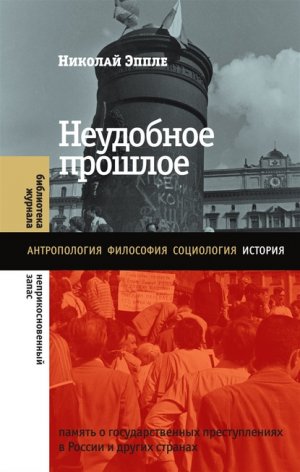
Неудобное прошлое. Память о государственных преступлениях в России и других странах Эппле Николай
Snyder T. Bloodlands. Europe between Hitler and Stalin. New York: Basic Books, 2010.
Послевоенные годы
Добренко Е. Поздний сталинизм. Эстетика политики: В 2 т. Т. 1, 2. М.: Новое литературное обозрение, 2020.
Петров Н. По сценарию Сталина: роль органов НКВД — МГБ СССР в советизации стран Центральнои и Восточнои Европы. 1945–1953. М.: РОССПЭН, 2011.
Хлевнюк О., Горлицкий Й. Холодный мир. Сталин и завершение сталинской диктатуры. М.: РОССПЭН, 2011.
Фильцер Д. Советские рабочие и поздний сталинизм. Рабочий класс и восстановление сталинской системы после окончания Второй мировой войны. М.: РОССПЭН, 2011.
Эпплбаум Э. Железный занавес. Подавление Восточной Европы (1944–1956) / Пер. с англ. Л. Мотылева. M.: Московская школа гражданского просвещения, 2015.
Отдельные темы: депортации, спецпоселенцы, голод, дети и т. д.
Голод в СССР. 1929–1934: В 3 т. М.: Международный фод «Демократия», 2011–2013.
Дети ГУЛАГа: 1918–1956 / Ред. А. Яковлев; сост. С. Виленский, А. Кокурин и др. М.: Международный фонд «Демократия», 1998.
Дэвис Р., Уиткрофт С. Годы голода. Сельское хозяйство СССР, 1931–1933 / Пер. с англ. О. Вздорик под ред. Л. Пантиной. М.: РОССПЭН, 2011.
Земсков В. Спецпоселенцы в СССР. 1930–1960. М.: Наука, 2005.
Козлова А., Михайлов Н., Островская И., Щербакова И. Знак не сотрется. Судьбы остарбайтеров в письмах, воспоминаниях и устных рассказах. М.: Agey Tomesh, 2016.
Кокурин А., Моруков Ю. Сталинские стройки ГУЛАГа: 1930–1953. М.: Международный фонд «Демократия», 2005.
Полян П. Жертвы двух диктатур: Жизнь, труд, унижение и смерть советских военнопленных и остарбайтеров на чужбине и на родине. 2е изд., перераб. и доп. М.: РОССПЭН, 2002.
Полян П. Не по своей воле: история и география принудительных миграций. М.: О. Г. И. — Мемориал, 2001.
Виола Л. Крестьянский ГУЛАГ: мир сталинских спецпоселений / Пер. с англ. Е. Осокиной. М.: РОССПЭН, 2010.
К ГЛАВЕ 1. АРГЕНТИНА (РАЗДЕЛ II)
Amador C. M. Ethics and Literature in Chile, Argentina, and Paraguay, 1970–2000. Palgrave, 2016.
Anderson L. E. Democratization by Institutions: Argentina’s Transition Years in Comparative Perspective. University of Michigan Press, 2016.
Baer A., Sznaider N. Memory and Forgetting in the Post-Holocaust Era: The Ethics of Never Again. London; New York: Routledge, 2016.
Bonner M. D. Sustaining Human Rights: Women and Argentine Human Rights Organizations. Pennsylvania State University Press, 2007.
Delgado A. Memory and Truth in Human Rights: The Argentina Case. The Issue of Truth and Memory in the Aftermath of Gross Human Rights Violations in Argentina. University of South Florida, 2013.
Feitlowitz M. A Lexicon of Terror: Argentina and the Legacies of Torture. Oxford University Press, 1998.
Jelin E. State Repression and the Labors of Memory / Transl. By Judy Rein and Marcial Godoy-Anativia. Minneapolis: University of Minnesota Press, 2003. [Оригинал: Jelin E. Los trabajos de la memoria. Madrid: Siglo Veintiuno Espaa Editores, s. a., Siglo Veintiuno de Argentina Editores, 2002]
Maguire G. The Politics of Postmemory Violence and Victimhood in Contemporary Argentine Culture. Palgrave, 2017.
Payne L. A. Confessions of Torturers: Reflections from Argentina // Paper presented at the «TRC: Commissioning the Past» conference, organized by the Centre for the Study of Violence and Reconciliation (CSVR) and the History Workshop (at Wits University). University of the Witwatersrand, South Africa, 11–14 June 1999.
Sutton B. Collective Memory and the Language of Human Rights Attitudes toward Torture in Contemporary Argentina // Latin American Perspectives. № 42 (3). P. 73–91.
Sutton B. Surviving State Terror: Women’s Testimonies of Repression and Resistance in Argentina. New York: New York University Press, 2018.
Verbitsky H. The Flight. Confessions of an Argentine dirty warrior. New York: The New Press, 1996. [Verbitsky H. El vuelo. Buenos Aires: Planeta — Espejo de la Argentina, 1995.]
Ворожейкина Т. Специфика гражданского общества в Аргентине // Мировая экономика и международные отношения. 1996. № 6.
К ГЛАВЕ 2. ИСПАНИЯ (РАЗДЕЛ II)
Интернет-ресурсы
Карты захоронений на сайте, созданном в рамках работы парламентской комиссии: http://www.memoriahistorica.gob.es/es-es/mapafosas/Paginas/index.aspx; http://mapadefosas.mjusticia.es/exovi_externo/CargarMapaFosas.htm.
«40 лет беспамятства», онлайн-проект испанского издания Eldiario.es к 40-летию смерти Франсиско Франко: https://desmemoria.eldiario.es/.
Проект «Память о гражданской войне в Испании». Архив аудиовизуальных материалов о франкистских репрессиях (совместный проект Калифорнийского университета в Сан-Диего, ARMH, Ассоциации жертв политических репрессий и Государственной федерации форумов памяти): http://libraries.ucsd.edu/speccoll/scwmemory/about-eng.html.
Аргентинская организация, занимающаяся исками против преступлений франкистов: https://redaqua.wordpress.com/.
Литература
Aguilar P., Payne L. A. Revealing New Truths about Spain’s Violent Past. Perpetrators’ Confessions and Victim Exhumations. Palgrave, 2016.
Aguilar P., Ramrez-Barat C. Amnesty and Reparations Without Truth or Justice in Spain / Ed. by N. Wouters // Transitional Justice and Memory in Europe (1945–2013). Cambridge; Antwerp; Portland: Intersentia, 2014.
Aguilar P. Memory and Amnesia: The Role of the Spanish Civil War in the Transition to Democracy. Oxford: Berghahn Books, 2002.
Armengou M., Belis R. Las fosas del silencio: Hay un Holocausto espaol? Barcelona: Plaza and Jans, 2004.
Baer A., Sznaider N. Memory and Forgetting in the Post-Holocaust Era: The Ethics of Never Again. London; New York: Routledge, 2017.
Colmeiro J. F. Memoria histrica e identidad cultural: De la postguerra a la postmodernidad. Barcelona: Anthropos, 2005.
Ferrndiz F. The Return of Civil War Ghosts: The Ethnography of Exhumations in Contemporary Spain // Anthropology Today. 2006. № 22, 3. P. 7–12.
Ferrandiz F. Unburials, Generals and Phantom Militarism // Current Anthropology. 2019. Vol. 60. Suppl. 19. February.
Preston P. The Spanish Civil War: Reaction, Revolution and Revenge. London: Harper Perennial, 2006.
Preston P. The Spanish Holocaust: Inquisition and Extermination in Twentieth-Century Spain. London: Harper Press, 2012.
Silva E., Macas S. Las Fosas de Franco: Los Republicanos que el Dictador dej en las Cunetas. Madrid: Temas de Hoy, 2003.
Unearthing Franco’s Legacy: Mass Graves and the Recovery of Historical Memory in Spain / Ed. by C. Jerez-Farrn, S. Amago. Notre Dame: University of Notre Dame Press, 2010.
Капдепон У. Историческая память и диктатура Франко: общественная дискуссия в современной Испании / Пер. с нем. А. Юркевич // Уроки истории. 2014. 17 июня. https://urokiistorii.ru/article/52128. [Оригинал: Capdepon U. Der ffentliche Umgang mit der Franco-Diktatur // Bundeszentrale fr politische Bildung. Aus Politik und Zeitgeschichte. 2010. Bd. 36–37. S. 33–38.]
Реншоу Л. Правда вскрывается: как поменялись местами разоблачения и утаивание в «политике памяти» в Испании // Новое литературное обозрение. 2009. № 100. С. 475–493.
Федоров А. Репрессивная политика в ходе и после гражданской войны в Испании: история и полемика // Историческая экспертиза. 2016. № 4. С. 45–66.
К ГЛАВЕ 3. ЮАР (РАЗДЕЛ II)
Colvin C. J. Overview of the Reparations Program in South Africa // The Handbook of Reparations / Ed. by Pablo de Greiff. Oxford University Press, 2006. P. 176–214.
Fox G. Remembering Ubuntu: Memory, Sovereignty and Reconciliation in Post-Apartheid South Africa // Platforum. 2011. 12.
Gibson J. L. Overcoming Apartheid: Can Truth Reconcile a divided Nation? New York: Russell Sage Foundation, 2004.
Gibson J. L. Overcoming Historical Injustices: Land Reconciliation in South Africa. Cambridge University Press, 2009.
Gibson J. L. Overcoming Intolerance in South Africa: Experiments in Democratic Persuasion. Cambridge University Press, 2002.
Gobodo-Madikizela P. A Human Being Died That Night: A South African Woman Confronts the Legacy of Apartheid. Boston: Mariner Books, 2004.
Gobodo-Madikizela P. Trauma, Forgiveness and the Witnessing Dance: Making Public Spaces Intimate // Journal of Analytical Psychology. 2008. № 53. P. 169–188.
Grunebaum H. P. Memorializing the Past: Everyday Life in South Africa after the Truth and Reconciliation Commission. Piscataway, NJ: Transaction Publishers, 2011.
Lovell F. Reparations Policy in South Africa for the Victims of Apartheid // Law, Democracy & Development. 1999. Vol. 3, 2. P. 209–222.
Payne L. A. Unsettling Accounts: Neither Truth Nor Reconciliation in Confessions of State Violence. Durham: Duke University Press, 2008.
Robins S. «Can’t forget, can’t remember»: Reflections on the Cultural Afterlife of the TRC // South-North Cultural and Media Studies. 2007. Vol. 21, 1.
Sarkin J. Carrots and Sticks: The TRC and the South African Amnesty Process. Antwerpen: Intersentia, 2004.
Sarkin J. Understanding the Journey to Reconciliation in Transitional Societies: Using the Metaphor of a Motor Vehicle Road Trip to Understand South Africa’s Path (Process) to Political Reconciliation // International Journal of African Renaissance Studies. Vol. 10. № 2. 2015. P. 87–103.
Stein D. J., Seedat S., Kaminer D., Moomal H., Sonnega J., Williams D. R. The Impact of the Truth and Reconciliation Commission on Psychological Distress and Forgiveness in South Africa // Social Psychiatry and Psychiatric Epidemiology. 2008. № 43. P. 462–468.
К ГЛАВЕ 4. ПОЛЬША (РАЗДЕЛ II)
Archiwum Ringelbluma. Konspiracyjne Archiwum Getta Warszawy. T. 1–38. Warszawa: ydowski Instytut Historyczny, 1997–2018.
Shared History — Divided Memory. Jews and Others in Soviet-Occupied Poland, 1939–1941 / Ed. by E. Barkan, E. Cole, K. Struve. Leipzig: Simon-Dubnow-Institut fur Judische Geschichte und Kultur e. V., Leipziger Universitatsverlag, 2007.
Bachmann K. The Polish Paradox: Transition from and to Democracy // Transitional Justice and Memory in Europe (1945–2013) / Ed. by N. Wouters. Antwerp/Cambridge: Intersentia, 2014. P. 327–351.
Blonski J. Biedni Polacy patrz na getto // Tygodnik Powszechny. 1987. 2. [Сокращенный русский перевод «Бедные поляки смотрят на гетто» // Новая Польша, 2009. № 3.]
Dbrowski F., Peterman R. The Polish Experience // Memory of Nations: Democratic Transition Guide. The Czech/Egyptian/Estonian/German/ Polish/Romanian/Russian Experience. Praha: CERVO, 2017.
Davies N. God’s Playground: A History of Poland. Vol. 1: The Origins to 1795; Vol. 2: 1795 to the Present. New York: Columbia University Press, 1982.
Gross J. T. Fear: Anti-Semitism in Poland after Auschwitz: An Essay in Historical Interpretation. New York: Random House, 2006.
Gross J. T., Grudziska-Gross I. Golden Harvest. New York: Oxford University Press, 2012. [Гросс Я. Т., Грудзинская-Гросс И. Золотая жатва / Пер. с польск. Л. Мосионжника. М.: Нестор-История, 2017.]
Gross J. T. Neighbors: The Destruction of the Jewish Community in Jedwabne, Poland. Princeton, NJ: Princeton University Press, 2001. [Гросс Я. Т. Соседи. История уничтожения еврейского местечка / Пер. с польск. В. Кулагиной-Ярцевой. М.: Текст, 2002.]
Holc J. The Politics of Trauma and Memory Activism: Polish-Jewish Relations Today. Palgrave, 2018.
Leder A. Przeniona rewolucja. wiczenia z logiki historycznej. Warszawa: Krytyka Polityczna, 2014. [Leder A. Polen im Wachtraum. Die Revolution 1939–1956 und ihre Folgen. Osnabrck: Fibre Verlag, 2019.]
Misztal B. The Banalization and the Contestation of Memory in Postcommunist Poland // Heritage and Identity. Engagement and Demission in the Contemporary World / Ed. by M. Anico, E. Peralta. London; New York: Routledge, 2009. P. 117–129.
Ochman E. Post-Communist Poland — Contested Pasts and Future Identities. London; New York: Routledge, 2013.
Ringelblum E. Polish-Jewish Relations During the Second World War / Ed. by J. Kermish, Sh. Krakowski. Evanston: Northwestern University Press, 1992. [Незаконченный русский перевод Анастасии Альпер с английского «Польско-еврейские отношения во время Второй мировой войны» доступен по адресу: https://sites.google.com/site/nyatki/polish-jewish-relations-during-the-wwii.]
Rosenberg T. The Haunted Land. Facing Europe’s Ghosts after Communism. New York: Random House, 1995.
Snyder T. Bloodlands: Europe between Hitler and Stalin. New York: Basic Books, 2010. [Снайдер Т. Кровавые земли: Европа между Гитлером и Сталиным / Пер. с англ. Л. Зурнаджи. Киiв: Дулебы, 2015.]
Uffelmann D. Theory as Memory Practice: The Divided Discourse on Poland’s Postcoloniality // Memory and Theory in Eastern Europe / Ed. by U. Blacker, A. Etkind, J. Fedor. Palgrave Macmillan, 2013. P. 103–124.
Vollhardt J. R., Bilewicz M., Olechowski M. Victims under Siege: Lessons for Polish — Jewish Relations and Beyond // The Social Psychology of Intractable Conflicts / Ed. by E. Halperin, K. Sharvit. New York: Springer, 2015. P. 75–87.
Zubrzycki G. History and the National Sensorium: Making Sense of Polish Mythology // Qual Sociol. 2011. 34. P. 21–57.
Зубжицки Ж. Polonia semper fidelis? Национальная мифология, религия и политика в Польше // Государство, религия, церковь в России и за рубежом. 2016. № 3. С. 44–78.
Столя Д. Польскии ИНП становится «Министерством памяти»? // Историческая политика в XXI веке / Ред. А. Миллер, М. Липман. М.: Новое литературное обозрение, 2012. С. 103–123.
Траба Р. Польские споры об истории в XXI веке // Pro et Contra. 2009. 13. C. 43–64.
Яновский М. Едвабне, 10 июля 1941 г.: дискуссия о событиях одного дня // Историческая политика в XXI веке. М: Новое литературное обозрение, 2012. С. 124–159.
К ГЛАВЕ 5. ГЕРМАНИЯ (РАЗДЕЛ II)
Assmann A. Memories of Nazi Germany in the Federal Republic of Germany // A Companion to Nazi Germany / Ed. by Sh. Baranowski, A. Nolzen, C.-Ch. W. Szejnmann. New York: Wiley-Blackwell, 2018. P. 583–598.
Barkan E. The Guilt of Nations. Restitution and Negotiating Historical Injustices. New York: W. W. Norton & Company, 2000.
Frei N. Adenauer’s Germany and the Nazi Past. The Politics of Amnesty and Integration Foreword by Fritz Stern / Transl. by J. Golb. New York: Columbia University Press, 2002.
Gabowitsch M. Foils and Mirrors: The Soviet Intelligentsia and German Atonement // Replicating Atonement: Foreign Models in the Commemoration of Atrocities. Palgrave Macmillan Memory Studies, 2017. P. 267–302.
Gardner Feldman L. Germany’s Foreign Policy of Reconciliation: From Enmity to Amity. Maryland: Rowman & Littlefield Publishers, 2012.
Hayner P. B. Unspeakable Truths: Transitional Justice and the Challenge of Truth Commissions 2nd Edition. London; New York: Routledge, 2011.
Hammerstein K. Gemeinsame Vergangenheit — getrennte Erinnerung? Der Nationalsozialismus in Gedchtnisdiskursen und Identittskonstruktionen von Bundesrepublik Deutschland, DDR und sterreich. Gttingen: Wallstein Verlag, 2017.
Mihr A. Regime Consolidation and Transitional Justice. A Comparative Case Study of Germany, Spain and Turkey. Cambridge University Press, 2018.
Olick J. K. In the House of the Hangman: The Agonies of German Defeat, 1943–1949. Chicago: University of Chicago Press, 2005.
Olick J. K. The Politics of Regret: On Collective Memory and Historical Responsibility. New York: Routledge, 2007.
Olick J. K. The Sins of the Fathers: Germany, Memory, Method. Chicago: University of Chicago Press, 2016.
Olick J. K. What Does It Mean to Normalize the Past? Official Memory in German Politics since 1989 // Memory and the nation. 22, 4. 1998. Winter. P. 547–571.
Rabinbach A. In the Shadowof Catastrophe: German Intellectuals between Apocalypse and Enlightenment (Weimar and Now: German Cultural Criticism). Berkeley: University of California Press, 2001.
Rotberg R. I., Thompson D. Truth v. Justice: The Morality of Truth Commissions. Princeton University Press, 2000.
Altendorf H., Frster J., Kaminsky A., Schaefgen Ch. The German Experience // Memory of Nations: Democratic Transition Guide. The Czech/Egyptian/Estonian/German/Polish/Romanian/Russian Experience. Praha: CERVO, 2017.
Weinke A. West Germany: A Case of Transitional Justice avant la lettre? // Transitional Justice and Memory in Europe (1945–2013) / Ed. Nico Wouters. Antwerp; Cambridge: Intersentia, 2014. P. 25–62.
Адорно Т. Что значит «проработка прошлого» / Пер. с нем. М. Габовича // Память о войне 60 лет спустя: Россия, Германия, Европа. М.: Новое литературное обозрение, 2005. С. 64–80.
Борозняк А. Проблема преодоления тоталитарного прошлого в Германии и России // Германия и Россия в XX веке: две тоталитарные диктатуры, два пути к демократии. Материалы международной научной конференции, посвященной 10-летию объединения Германии). Кемерово: КемГУ, 2001.
Борозняк А. Уроки Германии в России еще не востребованы // Преодоление прошлого и новые ориентиры его переосмысления. Опыт России и Германии на рубеже веков. Международная конференция. М.: Фонд Фридриха Науманна, 2002.
Заломон Э. ф. Анкета. СПб.: Владимир Даль, 2020. Перевод с немецкого и комментарий Л. Ланника. [Оригинал: Salomon E. v. Der Fragebogen. Hamburg: Rowohlt, 1951.]
Кениг Х. Память о национал-социализме, Холокосте и Второй мировой войне в политическом сознании Федеративной Республики Германии // Память о войне 60 лет спустя: Россия, Германия, Европа / Отв. ред. М. Габович. М.: Новое литературное обозрение, 2005.
Лёзина Е. Память, идентичность, политическая культура и послевоенная германская демократия // Отечественные записки. 2013. № 6 (57). С. 162–176.
Лёзина Е. Юридическо-правовая проработка прошлого ГДР в объединенной Германии // Вестник общественного мнения. 2015. № 2 (115). С. 67–100.
Лёзина Е. Источники изменения официальной коллективной памяти (на примере послевоенной ФРГ) // Вестник общественного мнения. 2011. № 3 (109). С. 17–37.
Отношение к прошлому. Осмысление Германией двух ее диктатур / Сост. К. Кроуфорд, А. Смолина / Пер. с нем. Л. Эргюн. М.: РОССПЭН, 2018.
Шерер Ю. Германия и Франция: проработка прошлого // Pro et contra. 2009. № 3–4 (46). С. 89–108.
Ясперс К. Вопрос о виновности. О политической ответственности Германии / Пер. с нем. С. Апта. М.: Прогресс, 1999.
К ГЛАВЕ 6. ЯПОНИЯ (РАЗДЕЛ II)
Buruma I. The Wages of Guilt: Memories of War in Germany and in Japan. New York: Meridian Books, 1995.
Chang I. The Rape of Nanking: The Forgotten Holocaust of World War II. New York: Basic Books, 2011.
Dixon J. M. Dark Pasts: Changing the State’s Story in Turkey and Japan. Ithaca: Cornell University Press, 2018.
Dower J. W. Embracing Defeat: Japan in the Wake of World War II. 1st ed. New York: W. W. Norton, 1999.
Dower J. W. War without Mercy: Race and Power in the Pacific War. New York: Pantheon Books, 1987.
Dudden A. Troubled Apologies among Japan, Korea, and the United States. New York: Columbia University Press, 2008.
Gluck C. The «End» of the Postwar: Japan at the Turn of the Millennium // States of Memory: Continuities, Conflicts, and Transformations in National Retrospection (Politics, History, and Culture) / Ed. by Geffrey Olick. Durham: Duke University Press, 2003. P. 289–314.
He Y. The Search for Reconciliation: Sino-Japanese and German-Polish Relations since World War II. Cambridge; New York: Cambridge University Press, 2008.
Kushner B. Men to Devils, Devils to Men: Japanese War Crimes and Chinese Justice. Cambridge, MA: Harvard University Press, 2015.
Rose C. Interpreting History in Sino-Japanese Relations: A Case Study in Political Decision-Making. New York: Routledge, 1998.
Seraphim F. A Japan that Cannot Say Sorry? // Replicating Atonement: Foreign Models in the Commemoration of Atrocities. Palgrave Macmillan Memory Studies, 2017. P. 25–46.
Seraphim. F. War Memory and Social Politics in Japan, 1945–2005. Harvard East Asian Monographs 278. Cambridge, MA: Harvard University Asia Center, 2006.
Totani Y. The Tokyo War Crimes Trial: The Pursuit of Justice in the Wake of World War II. Cambridge, MA: Harvard University Asia Center, 2008.
Zwigenberg R. Hiroshima: The Origins of Global Memory Culture. Cambridge: Cambridge University Press, 2014.
Гринюк В. Политические проблемы храма Ясукуни // Проблемы Дальнего Востока. 2010. 4. С. 38–52.
col1_1, Кассезе А. За кулисами Токииского процесса. Размышления «поджигателя мира» / Пер. с англ. А. Евсеева. Харьков: Юрайт, 2015.
Читать бесплатно другие книги: